

Print on demand promises an easy path. No piles of unsold stock, no shipping labels to print, no need for storage space. You upload your designs, and someone else takes care of the rest.
But once you get started, the hidden challenges appear. Profit margins are thinner than expected. Shipping takes longer than customers are willing to wait. And you only see the product after it lands in the customer’s hands, which means one misprint can damage your reputation overnight.
The market is expanding quickly, reaching $10.21 billion in 2024 with forecasts of $87.1 billion by 2033. Yet the growth of the industry does not guarantee growth for every store. Many sellers find the first sale is easy, but staying profitable in the long run is much harder.
In this guide, we break down the 5 most important pros and five real drawbacks of the print on demand model, along with what you can do to improve your chances of building a business that lasts in 2025.
Top 5 Pros of the Print-on-Demand Business Model
1. You Can Start With Less Than $500
Launching a store does not require inventory, a warehouse, or a loan. Many sellers get started for under $500. Compare that to the $23,000 average needed to open a physical retail store.
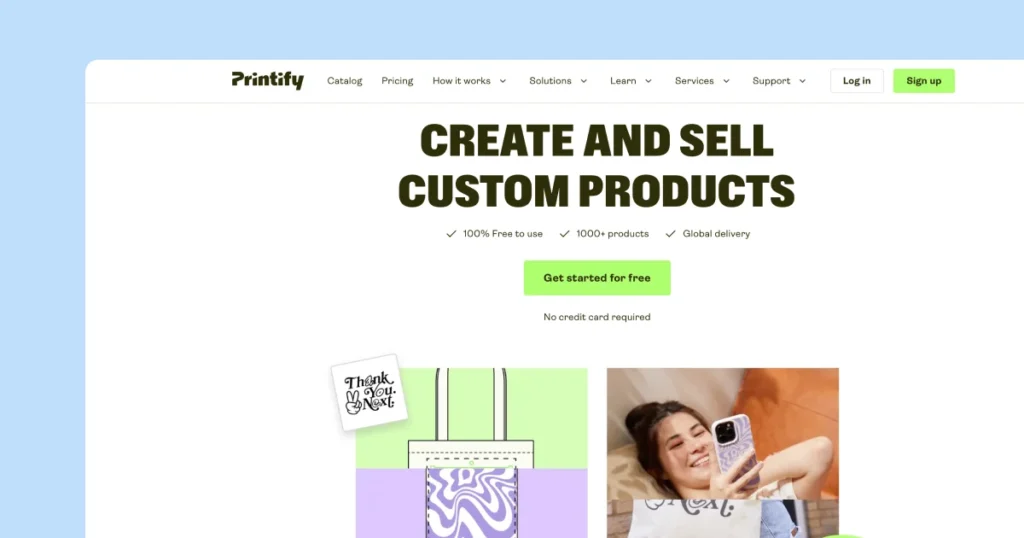
Platforms like Printify or Gelato connect with tools such as Canva and Dynamic Mockups so you can design products, have them printed, packed, and shipped automatically. Your role is branding and marketing, not logistics.
2. Global Reach Without Borders
POD platforms now ship to over 180 countries and many have local fulfillment centers. This makes it possible to sell a K-pop mug in Brazil, a cat lover hoodie in Germany, or a wellness journal in Australia without leaving your laptop.
Even more powerful is the ability to serve very specific communities that bigger retailers ignore. Instead of competing in a crowded “funny T-shirt” category, you can focus on niches like astrology lovers, introverted bookworms, or fans of subcultures such as cottagecore or vaporwave.
💡 Pro Tip: Niche audiences often buy for emotional reasons, not just price. They are more loyal and easier to reach through targeted content.
3. Real-Time Trend Capitalization
Traditional retail often takes months to launch a product. Print on demand lets you create and sell within days. That speed matters when you want to ride a viral meme or seasonal trend.
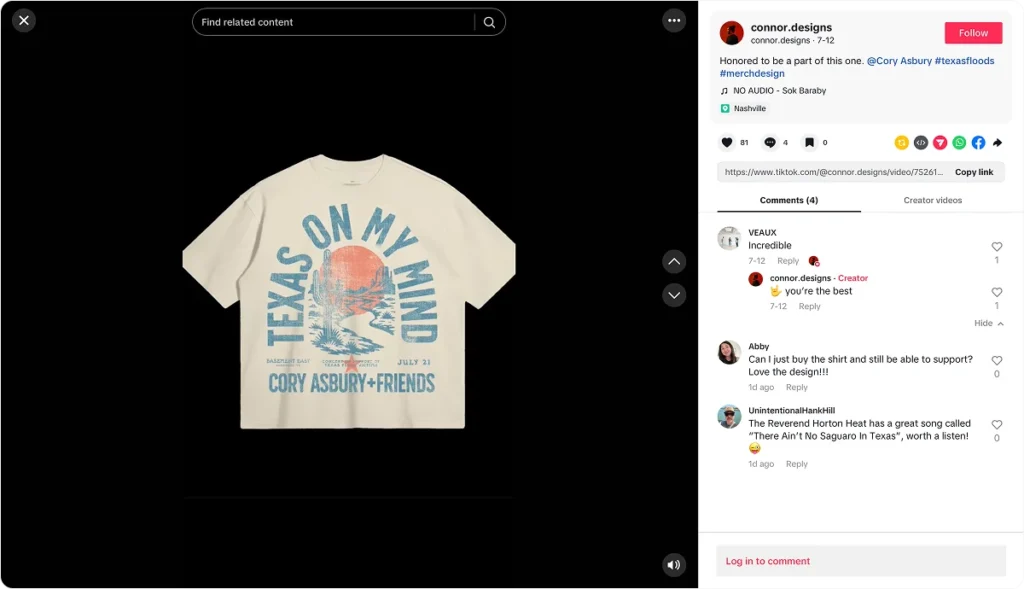
Plus, you have the option of varieties. One design can go on hoodies, mugs, phone cases, tote bags, pillow cases, or even shower curtains. You create once, and platforms like Printful and Printify help you scale across multiple SKUs with no added production effort.
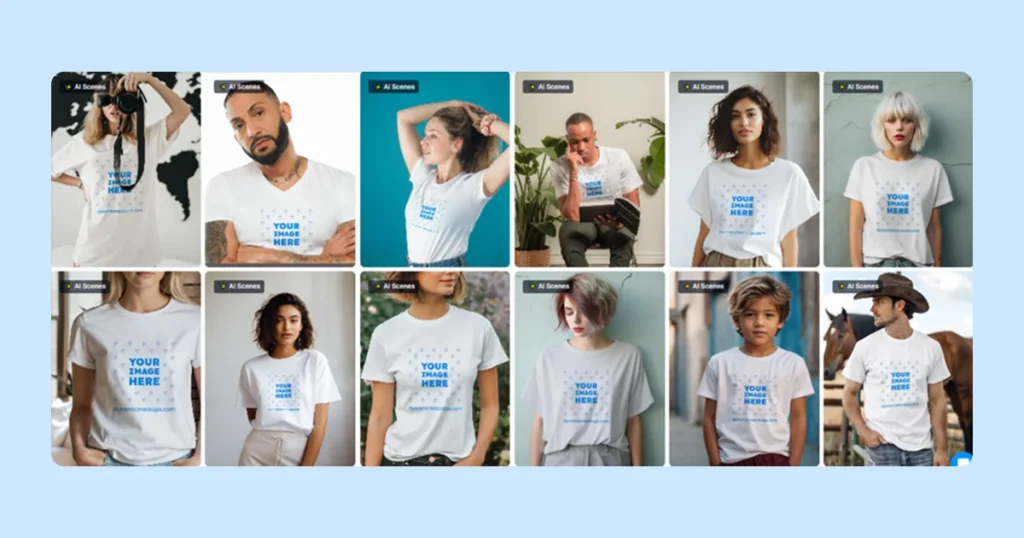
Even if you are not a designer, tools like Dynamic Mockups can help you turn your ideas into realistic, on-brand visuals that don’t just look good, but convert. And with AI tools like Midjourney, ChatGPT, and trend prediction platforms, sellers can enjoy a massive increase in design success rates.
4. You Can Automate Almost Everything
Want to automate customer emails, abandoned cart recovery, and even design generation? You can. The best sellers use:
✅ Shopify + Klaviyo for marketing
✅ Printful or Printify for fulfillment
✅ Dynamic Mockups for visuals
✅ Zapier to connect the dots
This means you can run the business part-time or from your phone.
5. It’s More Sustainable Than You Think
Traditional mass printing creates waste from unsold inventory and outdated designs. POD reduces waste by producing only what is ordered. Many suppliers also use water-based, non-toxic inks and operate regional fulfillment centers, which cuts down on shipping emissions.
Sustainability is not just a trend. Research shows that 73% of millennials are willing to pay more for eco-friendly products and the print-on-demand business model meets that demand.
Top 5 Cons of the Print-on-Demand Business Model
Below are the real constraints and pains prevalent in the print-on-demand business model. They include:
1. You Don’t Own the Platform
Most POD sales happen on marketplaces like Etsy, Amazon, or Shopify. These platforms give you access to buyers but they also control your visibility, fees, and in some cases, your entire business.
An algorithm update can slash your traffic overnight. Accounts can be suspended without warning. Fees and shipping costs often rise year after year.
✅ Build your own branded website using Shopify or WooCommerce. List across Etsy, Amazon, and your store.
✅ Offer a mix of products like T-shirts, mugs, journals, pillow cases, wall arts, etc
✅ Use keyword and trend tools like Everbee or Sale Samurai to spot product gaps. Then, validate your insights with Google Trends and Pinterest.
✅ Use lead magnets, freebies like digital wallpapers or discount codes, to collect emails. Run automations with tools like Klaviyo or Mailchimp.
✅ Run paid ads to landing pages you control.
✅ Create high-quality content that builds long-term SEO traffic💡Pro Tip: Review supplier and platform policies regularly. Stay on top of changes in fees, shipping times, and copyright rules.
2. Margins Are Thin, Unless You’re Smart
Most sellers operate within 10-30% profit margins, while traditional retail businesses often enjoy margins in the 50–70% range. And as competition grows, it’s getting tougher to stand out without cutting prices. On Etsy alone, there are over 5.6 million sellers, which leads to saturated niches and competitive pricing.
Hidden costs add up: platform fees, payment processing, returns, and advertising can take away as much as 40 percent of profit if not tracked closely.
So, how can you maintain profitable margins with print-on-demand?
- Leave generic categories and focus on micro-niches
- Sell premium products with better designs and packaging
- Offer upsells or personalization to increase average order value
- Use email marketing and TikTok or YouTube to grow a loyal audience that buys more than once
3. You Never Touch the Product
With print-on-demand, you never see the product before your customer does. If the print is misaligned, the color’s off, or the material feels cheap, your customers will be the first to notice. Unfortunately, one order can cost you your reputation. And 84% of buyers won’t come back after a bad experience.
Returns aren’t simple either. Since multiple parties are involved, the process is often slow, unclear, and frustrating for both you and your buyer.
So, how can you ensure consistent quality with POD suppliers?
- Always order samples before listing a product
- Test different suppliers for quality and speed
- Keep backup vendors in case one fails
- Act on customer feedback quickly and set clear replacement policies
💡 Pro Tip: Use Dynamic Mockups to preview how your design aligns on different products before publishing.
4. Shipping Delays and Fulfillment Gaps
Customers expect fast shipping thanks to services like Amazon Prime. POD typically takes 7–14 days, and during peak seasons like Christmas or Valentine’s Day it can stretch to three weeks.
International orders face customs duties, regional taxes, and unpredictable delays. These surprises can double the final cost for customers and create negative reviews.
To manage expectations:
- Use post-purchase emails to reassure and update buyers
- Work with suppliers that have regional hubs
- List shipping timelines clearly on product pages
5. Design Theft and Imitation
Print on demand is one of the most accessible ways to start selling products online. It is flexible, scalable, and requires little upfront investment. But success does not come from uploading designs and waiting for sales.
You need to treat it like a real business. That means focusing on niches, testing products before launch, monitoring costs closely, protecting your work, and building an audience you own.
If you are willing to take those steps, POD can be a powerful business model in 2025 and beyond.
Scale Your Print-on-Demand Business with Dynamic Mockups
If you want your products to sell before you spend money on ads, you need visuals that convert.
Dynamic Mockups can help you:
✅ Launch new designs in minutes
✅ Bulk-create mockups for multiple SKUs
✅ Integrate easily with Shopify, WooCommerce, Zapier
Try it free today and see why fast-moving POD sellers swear by it.